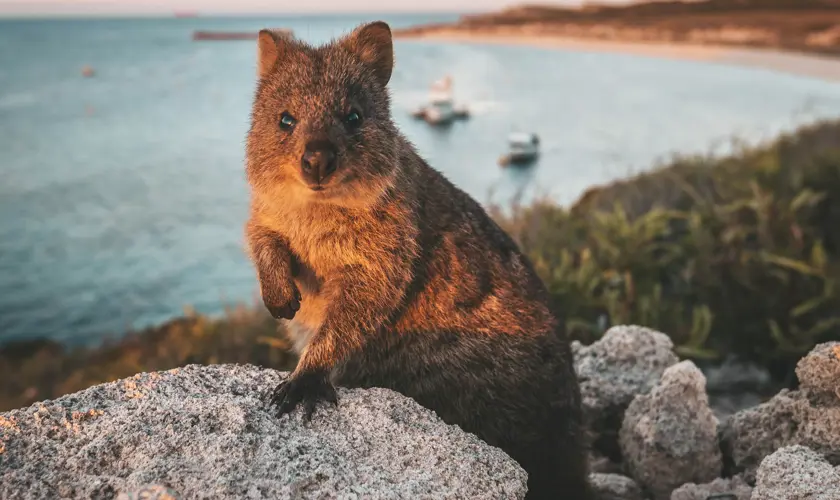
The quokka is a Western Australian icon, a small, delightful marsupial that has captured hearts across the globe. You've probably seen their famously cheerful faces online, but for students living in Perth, meeting a quokka in real life is one of WA's most memorable must-do experiences.
Let's explore what quokkas are, where you can see them near Perth without a car, and how to enjoy a quokka selfie responsibly and ethically, so these animals stay safe for generations to come.
Please note: Rules and access can change. Always check official guidance before you go.
What is a quokka?
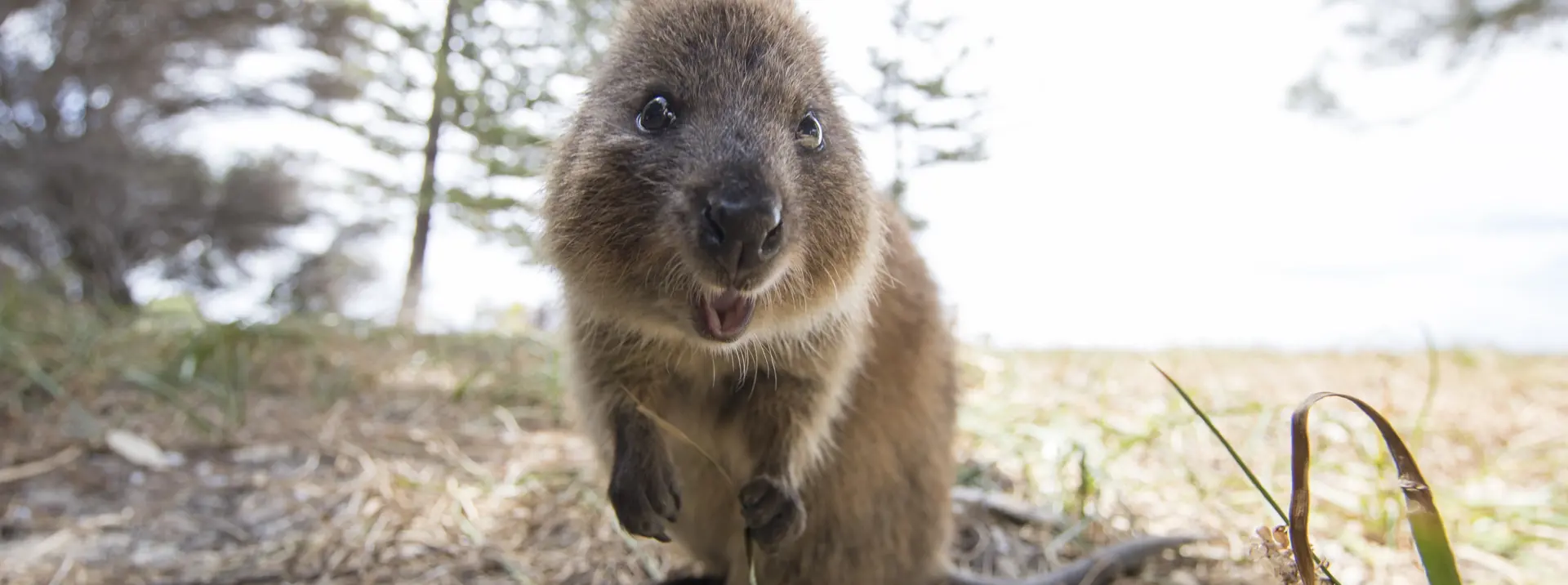
Quokkas (scientifically known as setonix brachyurus) are small marsupials, closely related to kangaroos and wallabies. Like their larger relatives, they carry their young in a pouch.
They are native to Western Australia, with the most well-known population living on Rottnest Island (Wadjemup). They are the only mammal native to the island. Around 10,000 quokkas live there today, coexisting with visitors under strict wildlife protection rules.
Quokka 101: Quick facts
- Native to: Western Australia
- Habitat: Bushland, coastal scrub, and island environments
- Diet: Native plants, leaves, and seeds
- Active: Mostly at night (nocturnal)
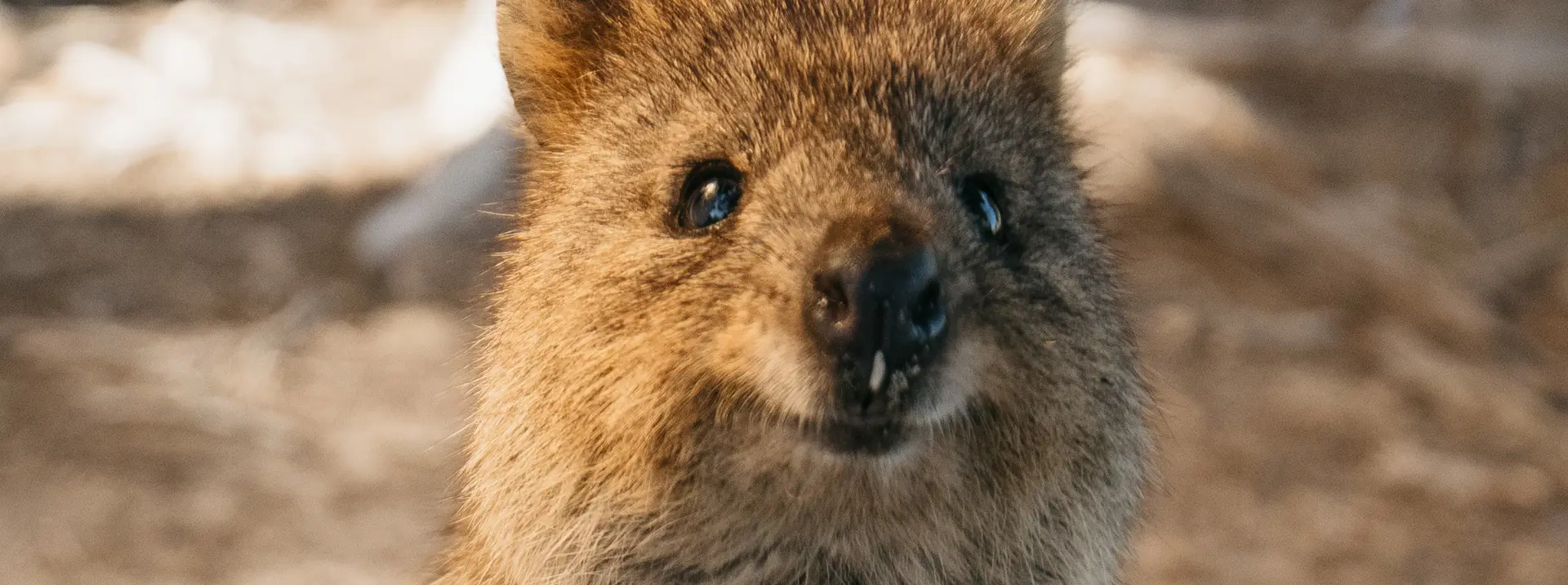
- Famous for: Their relaxed facial expression, often mistaken for a "smile"
Fun fact: That famous "smile" isn't happiness, quokkas pant to cool down in warm weather.
Where can you see quokkas near Perth (no car needed)?
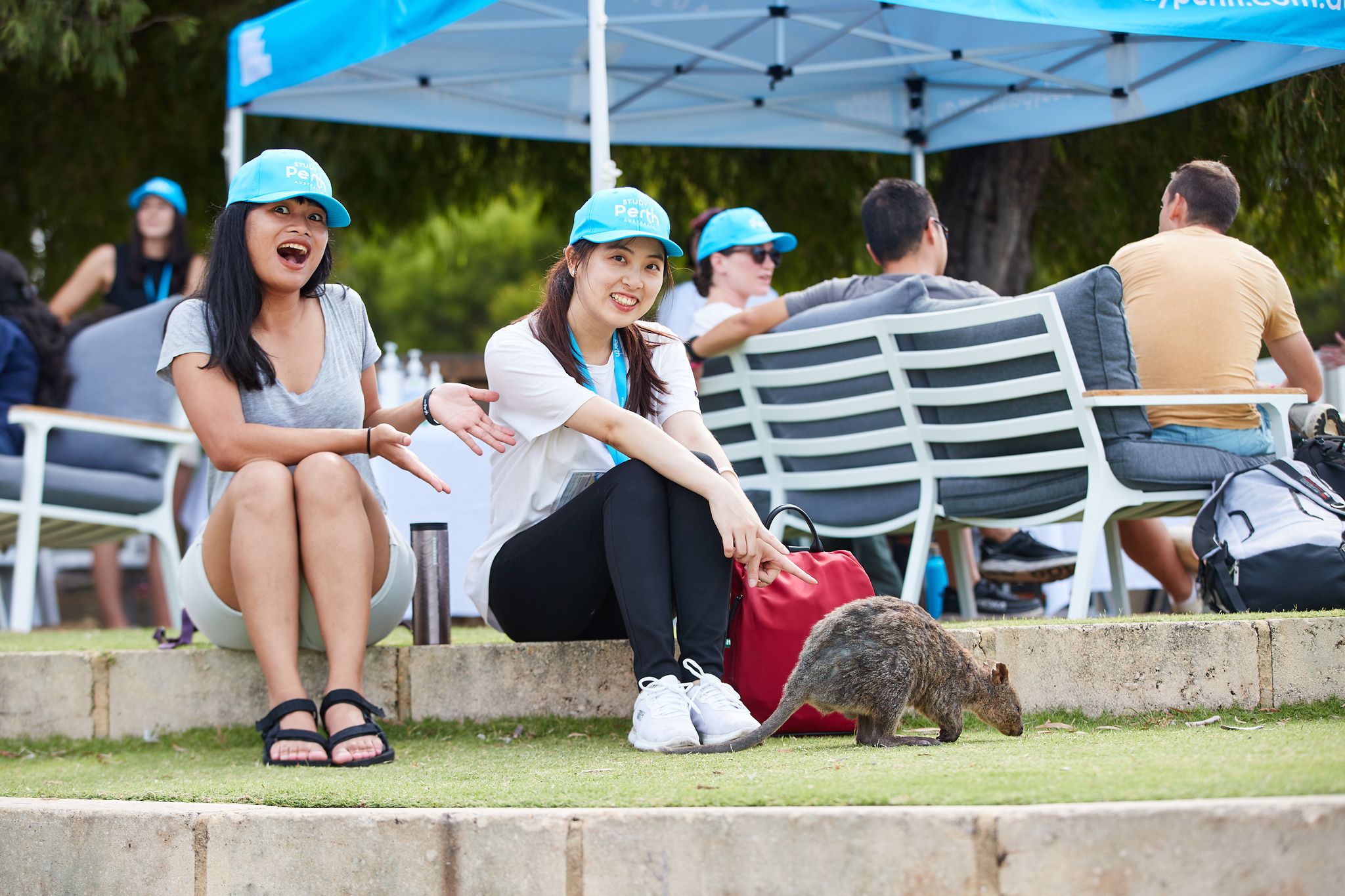
The most reliable and ethical place to see quokkas is Rottnest Island, just off the coast of Perth.
Only around 100 people live on the island, yet it welcomes over 500,000 visitors a year. Quokkas roam freely here because there are no natural predators, plenty of food, and clear visitor rules that protect them.
How to get there without a car:
- Train from Perth city → Fremantle
- Ferry from Fremantle → Rottnest Island
- Travel time: approx. 25-30 minutes by ferry
Official planning pages:
Day trip or overnight?
- Day trip: Very achievable for students; ferries run daily
- Overnight: More time for cycling, beaches, and early morning wildlife spotting
- Getting around: Bike hire and walking paths, no car required
History of the quokka
When Dutch explorers first stumbled upon the island in the 17th century, they mistook these furry friends for giant rats, which is how the island got its quirky name, "Rotte Nest," which means "Rat's Nest" in Dutch. Of course, they soon found out the quokkas are far from oversized rodents, but the name stuck.
However, the island and the quokkas were discovered long before this, by the traditional owners of the land, the Whadjuk Noongar people. They call the island "Wadjemup," which means "place across the water where the spirits are." The name "Quokka" itself comes from the Noongar word, "Kwoka."
The quokka's rise to global fame
Quokkas have become one of Western Australia's most recognisable animals, often dubbed "the world's happiest animal." Their adorable grins are often showcased in viral quokka selfies, including THAT Chris Hemsworth selfie. Tennis superstar Roger Federer starred in a government advertising campaign for the island, and he also has a famous quokka selfie, with the WA Government claiming it has been seen by 581 million people, or one in seven of the world's internet users.
But perhaps the most famous quokka selfie of all, was the one shared by Lisa from K-pop band, BLACKPINK. In 2023, she posted a poll to her 95 million Instagram followers asking if she should make the journey to Rotto to meet a quokka in person, which of course received an overwhelming 'yes' response. Lisa posted the selfie with the caption "Such a long trip to go see you in person bro."
These aren't the only viral celebrity quokka selfies, others include the likes of Margot Robbie, Sam Kerr, and Shawn Mendes. These moments have boosted awareness, but they've also made responsible wildlife behaviour more important than ever.
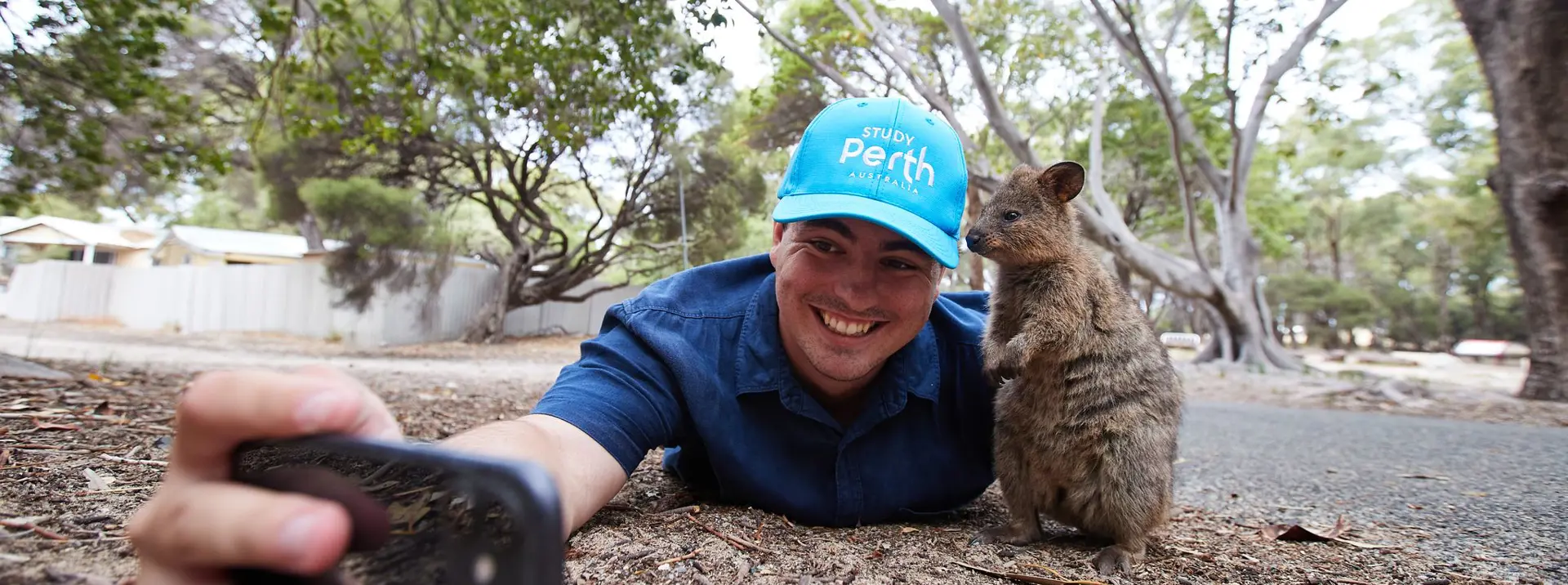
Quokka selfie etiquette: look, don't touch
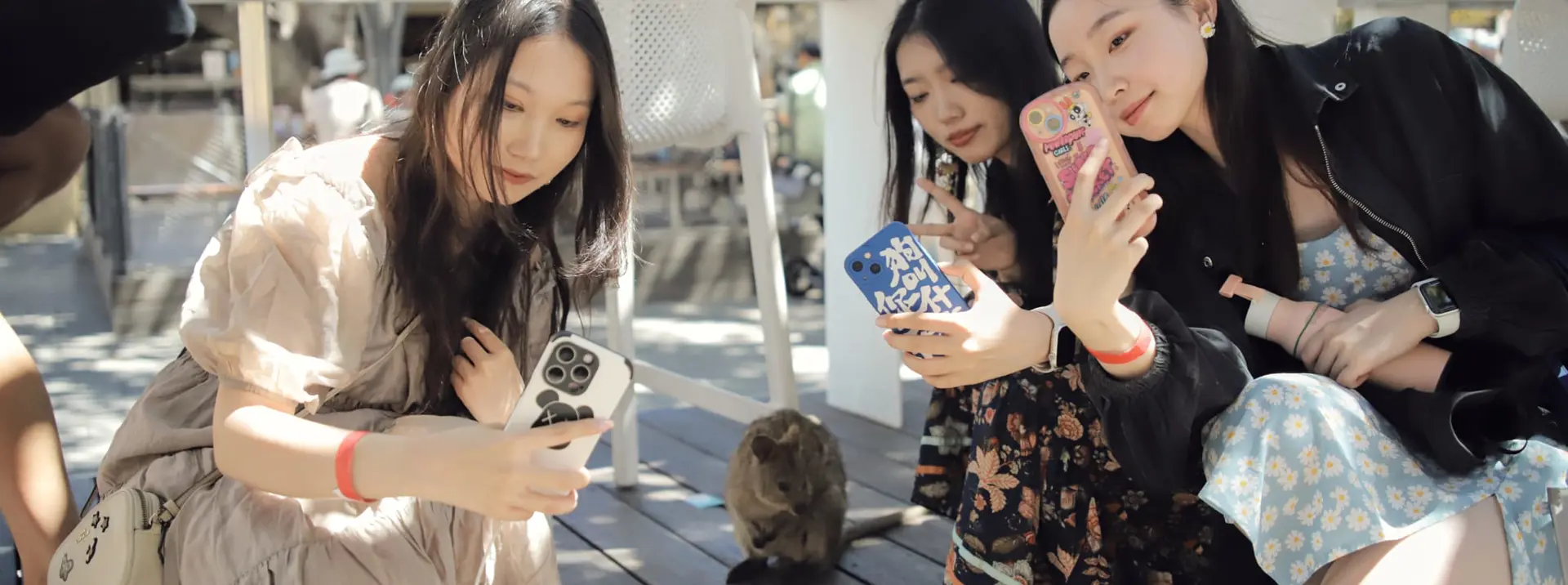
Quokkas may seem friendly, but they are still wild animals. When you're visiting them in their home, make sure to follow the rules in place that protect them from harm.
Do:
- Keep a respectful distance
- Stay low, sit still, and let quokkas move naturally
- Use your phone's wide-angle lens instead of stepping closer
- Follow ranger signage and local advice
Don't:
- Touch or pick up quokkas
- Feed them (human food is harmful
- Use flash photography
- Block their path or chase them for photos
- Make loud noises or crowd around them
Feeding or touching quokkas can cause illness, behavioural changes, and penalties. Always follow Rottnest Island Authority rules.
Best time to see quokkas
Quokkas are nocturnal, so you'll often find them resting in shaded areas during the day.
- Best times: Early morning or late afternoon
- Cooler months: Fewer crowds, more relaxed wildlife
- Where: Near the main settlement and grassy areas on Rottnest Island
Avoid stressing animals in hot weatehr - if a quokka is resting, admire from a distance.
What to bring for a student-friendly quokka trip
- Refillable water bottle
- Sunscreen, hat, sunglasses
- Comfortable walking shoes
- Light jacket (ferry rides can get cold with the wind)
- Portable phone charger for maps and photos
Common myths & mistakes
"They're always smiling."
That relaxed face helps quokkas cool down, it's not an initiation to interact.
"They like being held."
False. Handling causes stress and can injure them.
"Giving them food or water helps."
Human food disrupts their diet and behaviour. Fresh water stations are managed by authorities, so don't intervene.
Cost & budgeting tups for students
A quokkka visit is unforgettable, but costs can add up:
- Main costs: Ferry ticket + Rottnest Island admission
- Save money by:
- Booking ferries early
- Travelling with friends
- Checking official student or off-peak offers (when available)
Always book through official operators to avoid misinformation.
Accessibility & safety
- Stay hydrated and plan for sun exposure
- Follow marked paths and ranger instructions
- Respect cultural significance - Rottnest Island is known as Wadjemup to the Whadjuk Noongar people
- If you see a sick or injured quokka, notify island rangers immediately. Don't attempt to help yourself
Frequently Asked Questions
Yes — Rottnest Island is an easy day trip by public transport and ferry.
No. Ferries, walking paths, and bikes make it car‑free.
Photos are fine if you keep distance and let the animal move freely.
No. Feeding is harmful and against official rules.
Ready to meet a quokka?
Plan your trip using official visitor information and follow wildlife-friendly photo rules so we can keep quokkas safe.
Explore more student-friendly day trips, events, and budget travel ideas.


Related news and blogs
Keep up to date with everything happening in Perth with the latest news, events and stories.


